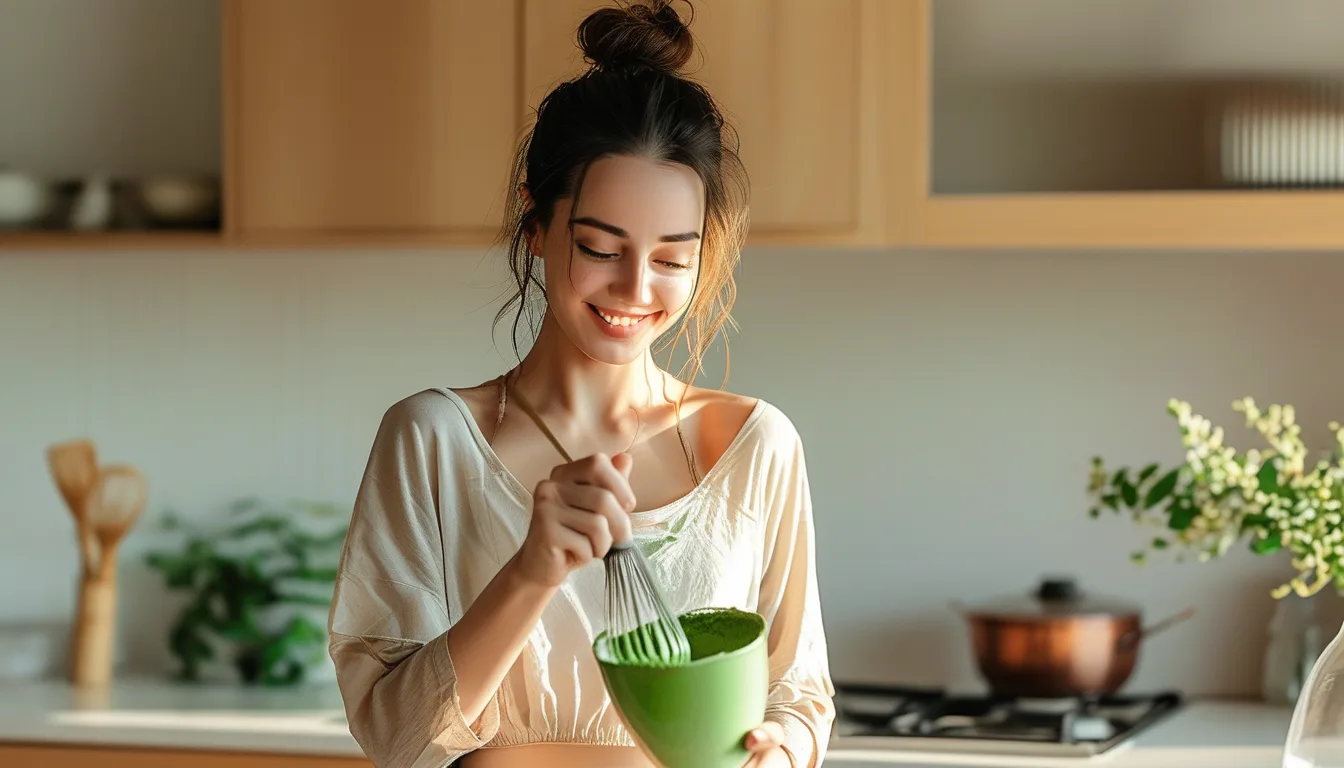
Why Your Matcha Tastes Different Every Single Time You Make It
Quick Answer: Water temperature, whisking technique, and how long the matcha has been open are the three biggest sources of day-to-day flavor variation — not inconsistency in the matcha powder itself.
You followed the same recipe you always do, and today’s cup tastes bitter and grassy instead of smooth and slightly sweet. The powder didn’t change. Something around it did.
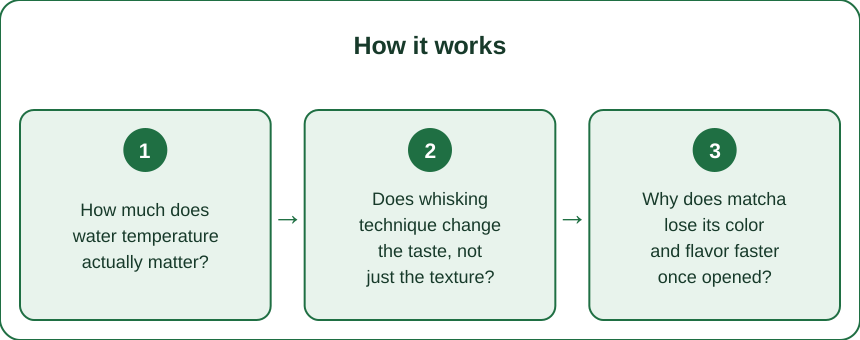
How much does water temperature actually matter?
A lot. Water above roughly 175°F (80°C) extracts more catechins and tannins from the matcha, which is the direct source of bitterness. Water that’s too cool, on the other hand, under-extracts and produces a flat, weak flavor with none of matcha’s natural sweetness coming through.
The ideal range for most ceremonial-grade matcha is around 160-175°F — noticeably below boiling, closer to a strong-but-not-scalding cup of tea.
Does whisking technique change the taste, not just the texture?
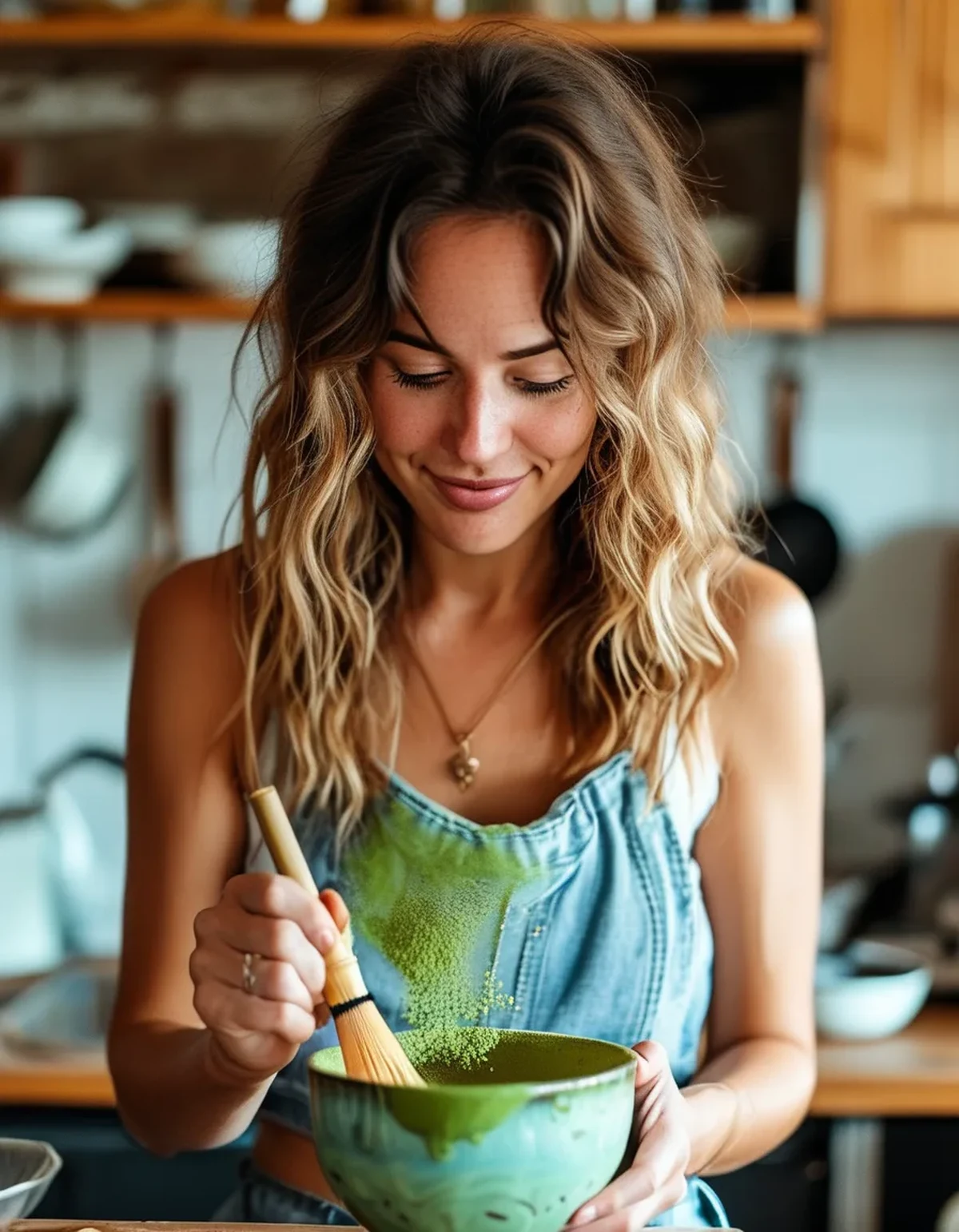
Yes — proper whisking in a fast ‘W’ or ‘M’ motion incorporates air into the matcha, which softens perceived bitterness and creates the characteristic light foam. Slow, circular stirring under-aerates the matcha, leaving flavor compounds feeling more concentrated and harsher on the palate even at the identical dose.
Why does matcha lose its color and flavor faster once opened?
Matcha is essentially finely ground tea leaf, with a huge surface area exposed to oxygen, light, and heat — all of which degrade its flavor compounds and chlorophyll (responsible for the vibrant green color) faster than whole tea leaves would degrade. An opened tin left on a counter can noticeably dull in both color and flavor within just a few weeks.
Storing matcha in an airtight container in the refrigerator, away from light, meaningfully slows this degradation and helps explain why the same tin can taste noticeably different in week one versus week six.
Ceremonial vs Culinary Matcha: Does Grade Explain the Inconsistency?
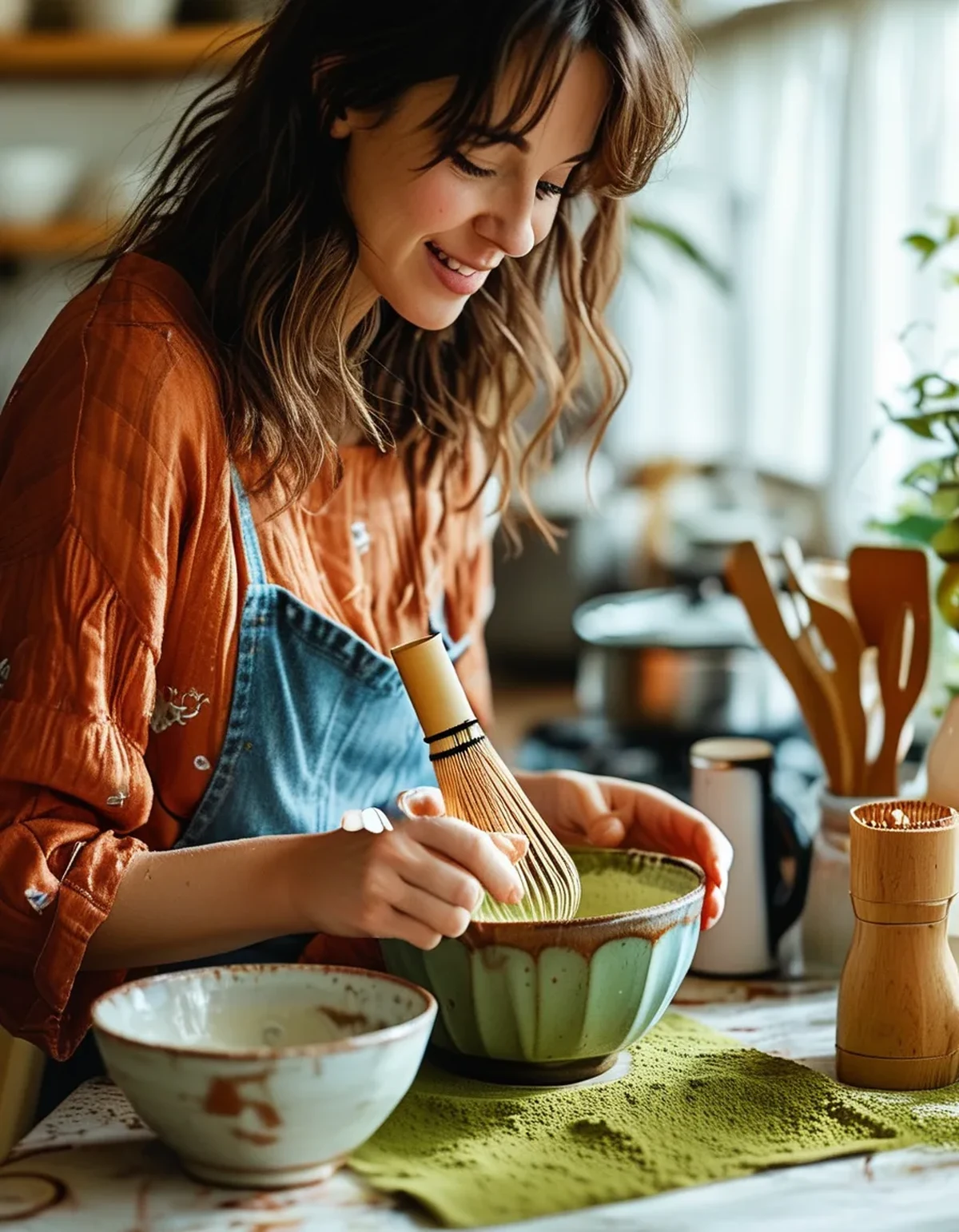
Ceremonial-grade matcha is made from younger, shade-grown leaves and ground finer, producing a smoother, naturally sweeter flavor meant to be drunk straight. Culinary-grade matcha is more bitter and robust by design, intended to hold up against milk, sugar, and baking — using culinary-grade for a straight cup will taste noticeably harsher regardless of technique, and isn’t actually inconsistency at all.
What’s the most reliable way to get a consistent cup?
Use a thermometer or a kettle with temperature control set to around 165-170°F, whisk briskly in a zigzag motion for 15-20 seconds until foamy, and store your matcha airtight in the fridge, using it within 4-6 weeks of opening for best flavor consistency.
FAQ: Matcha Flavor Questions, Answered
Does clumping affect the taste, not just the texture?
Yes — clumps don’t dissolve evenly, creating pockets of concentrated bitterness in an otherwise smooth cup. Sifting matcha before whisking helps prevent this.
Why does matcha taste bitter even with a good, high-quality powder?
Even top-grade matcha turns bitter with water that’s too hot or whisking that’s too slow — quality sets the ceiling, but technique determines whether you actually reach it.
How does matcha compare to coffee for steady energy?
Matcha’s caffeine is often described as releasing more gradually due to the calming amino acid L-theanine present alongside it, though individual response varies and this isn’t a guarantee of a smoother experience for everyone.
TL;DR:
- Water above ~175°F extracts more bitterness; aim for 160-175°F
- Brisk zigzag whisking softens bitterness by incorporating air properly
- Opened matcha degrades in flavor and color within weeks — store airtight, refrigerated
- Culinary-grade matcha is meant to taste more robust; that’s by design, not a flaw
The inconsistency was never really the matcha — it was the water, the whisk, or the weeks since you opened the tin.
Keep Reading
This article is for general informational purposes only and is not medical advice. Always consult a qualified health professional for guidance specific to you.