Why Your Matcha Tastes Different Every Single Time You Make It (Even With the Same Tin)
Quick Answer: Water temperature, whisking technique, and how long the tin has been open all shift matcha’s taste noticeably from cup to cup — water above roughly 175°F extracts more bitter catechins, under-whisking leaves clumps that taste chalky, and matcha exposed to air and light degrades in flavor within weeks even when sealed back up.
The scoop was identical. The tin is the same one you’ve used all week. And yet today’s cup tastes bitter and flat where yesterday’s was smooth and slightly sweet. Matcha is unusually sensitive to a few specific variables — here’s what’s actually different.
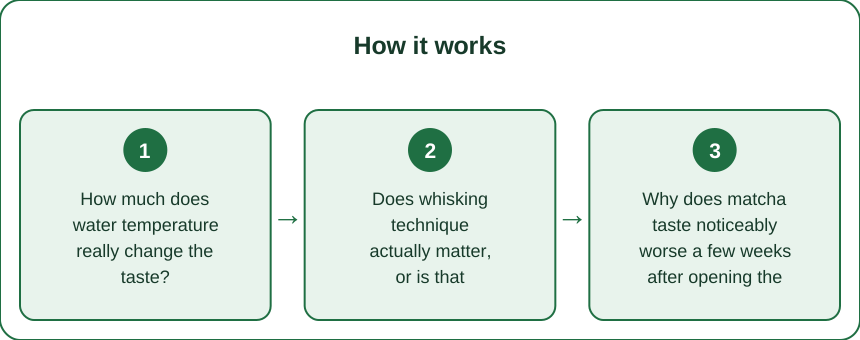
How much does water temperature really change the taste?
Significantly — water above about 175°F extracts noticeably more bitter catechins and tannins from the powder, while water in the 160-175°F range extracts the smoother, slightly sweet notes matcha is known for at its best. A kettle that runs a little hotter one day than another can account for a real, noticeable taste shift on its own.
Does whisking technique actually matter, or is that overstated?
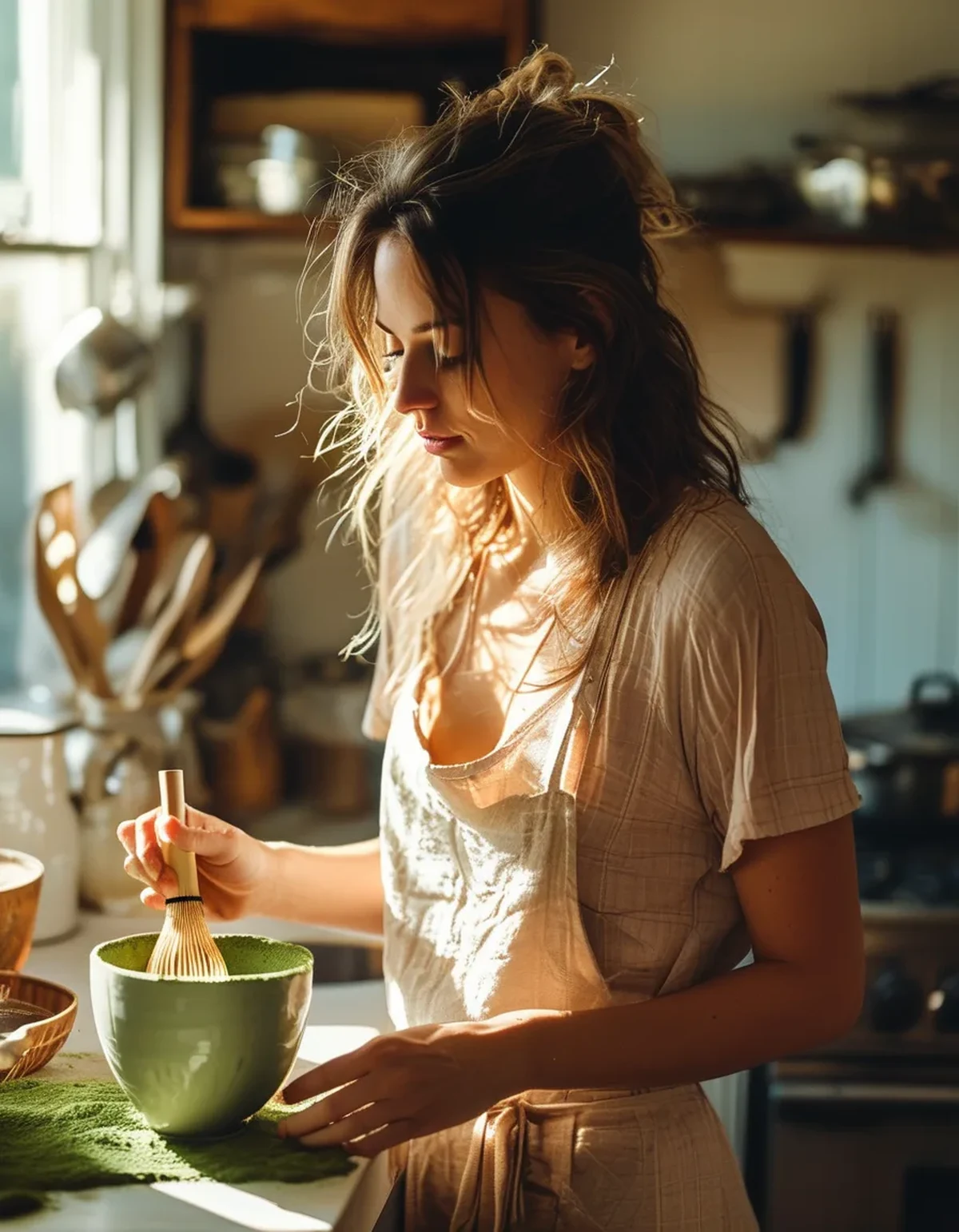
It matters more than most people expect. Proper whisking (a brisk W or M motion, not circular stirring) breaks up clumps and incorporates air, creating the characteristic light froth and even texture. Under-whisked matcha leaves gritty clumps that taste more concentrated and bitter in those spots, making the same cup taste inconsistent within itself, let alone between days.
Why does matcha taste noticeably worse a few weeks after opening the tin?
Matcha degrades faster than most people assume once exposed to air, light, and heat — even resealed, a tin loses vibrancy and develops more bitter, flatter notes within about 4-6 weeks of regular opening. This is why the same tin can taste noticeably better in week one than week four, well before it’s technically ‘expired.‘
Myth vs Fact: Is bitter matcha just lower quality matcha?
Myth: that bitterness always means you bought a bad batch. Fact: water temperature and freshness explain most day-to-day bitterness swings even with genuinely good ceremonial-grade matcha — a quality tin prepared with water that’s too hot will still taste bitter, and a quality tin that’s been open too long will still taste flat, regardless of the price you paid.
Does storage location actually make a measurable difference?
Yes — matcha stored in a cool, dark, airtight place (ideally refrigerated once opened) noticeably outlasts matcha left in a cabinet near a stove or in direct light. Heat and light both accelerate the same oxidation process that dulls flavor over time.
FAQ: Matcha Taste Consistency, Answered
What’s the single easiest fix for consistently better-tasting matcha?
A thermometer or a kettle with a temperature setting for 160-175°F removes the single biggest source of day-to-day bitterness variation.
Does the brand of whisk matter, or just the technique?
Technique matters more than the specific whisk — a traditional bamboo chasen works best, but a milk frother or electric whisk used with the right brisk motion can also break up clumps effectively.
Should you refrigerate matcha even before opening?
Refrigeration isn’t strictly necessary before opening if the tin is sealed and stored away from heat and light, but it becomes worth doing once opened to slow the flavor decline noticeably.
TL;DR:
- Water above about 175°F pulls out more bitterness; 160-175°F hits the smoother, sweeter range
- Under-whisking leaves clumps that taste more concentrated and bitter than a properly frothed cup
- Matcha noticeably declines in flavor within 4-6 weeks of regular opening, even sealed back up
- Bitterness usually points to temperature or freshness, not necessarily a lower-quality tin
Next inconsistent cup, check your water temperature and how long the tin’s been open before blaming the matcha itself.
Keep Reading
This article is for general informational purposes only and is not medical advice. Always consult a qualified health professional for guidance specific to you.