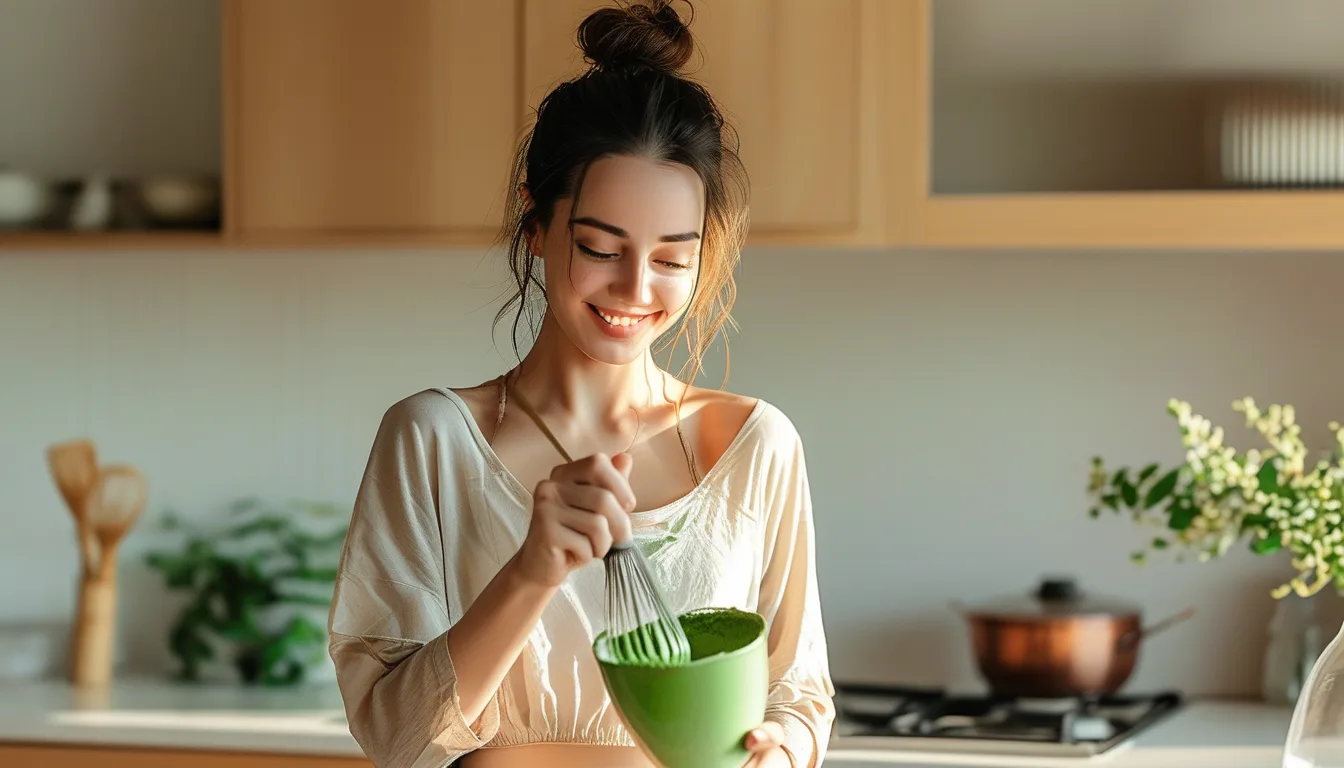
Why Your Matcha Tastes Bitter (Even With Good Powder)
Quick Answer: Bitter matcha is almost always caused by water that’s too hot (above 175°F) or under-whisking, which fails to break down the powder evenly. Cooler water and a proper zigzag whisk technique fix most bitterness issues, even with the same powder.
You bought good ceremonial-grade matcha, followed the instructions on the tin, and it still tastes harsh and bitter. Before assuming you got a bad batch, check your water temperature — it’s the single most common culprit.

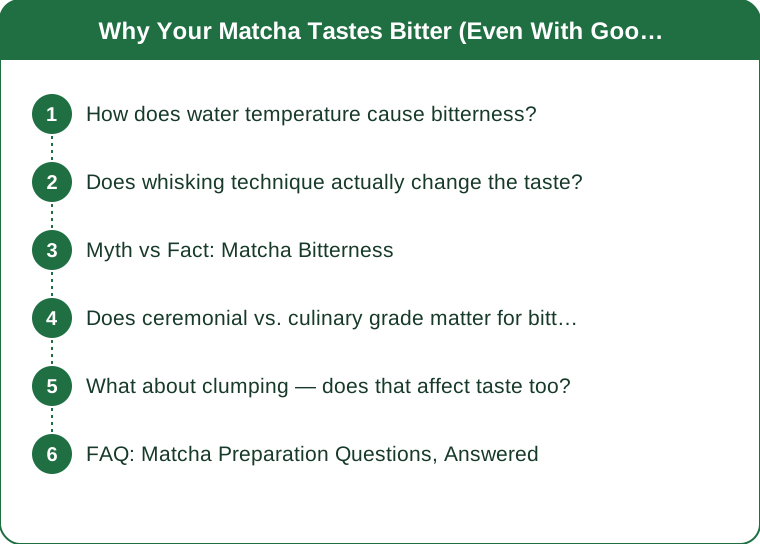
How does water temperature cause bitterness?
Matcha contains catechins, the same bitter compounds found in strongly steeped green tea, and they extract much more aggressively above 175°F (80°C). Boiling water (212°F) essentially scalds the powder, pulling out maximum bitterness along with a slightly ‘cooked’ flavor.
The fix: let boiled water cool for 2-3 minutes before whisking, or use a thermometer if you want precision — aim for 160-175°F.
Does whisking technique actually change the taste?
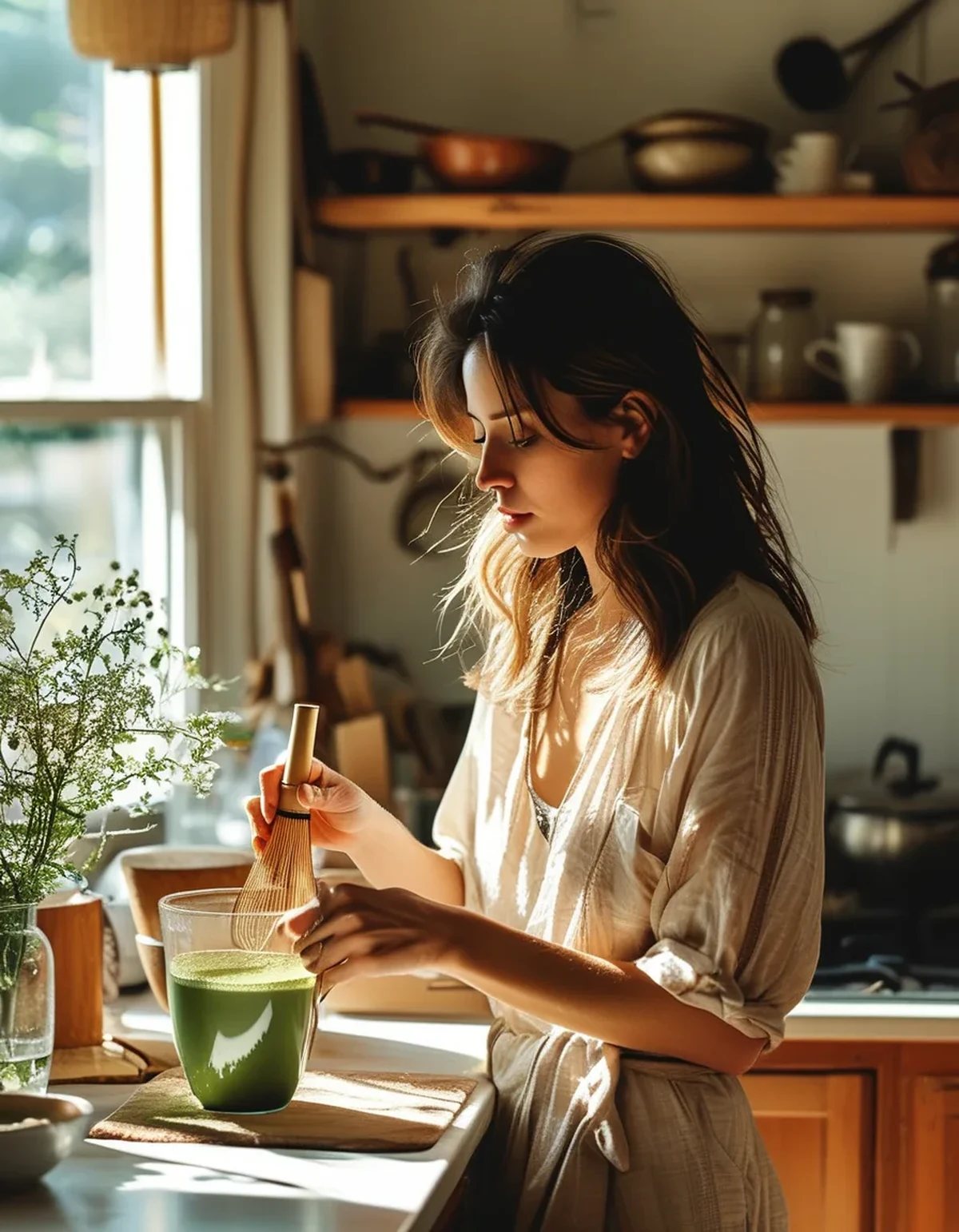
Yes, meaningfully. Under-whisked matcha leaves clumps of concentrated, unfroth powder that taste sharply bitter when you hit them, even if the overall cup is well-balanced. A proper zigzag (W-shape) whisking motion for 15-20 seconds with a bamboo chasen breaks up clumps and creates the light foam that mellows the flavor.
Myth vs Fact: Matcha Bitterness
Myth: Bitter matcha means you bought a low-quality powder. Fact: Preparation technique causes most bitterness complaints, even with premium ceremonial-grade matcha. A cheap whisk substitute (fork, regular spoon) also struggles to aerate properly, contributing to clumping.
Myth: Adding more water always fixes bitterness. Fact: Diluting doesn’t address the root extraction problem — it just makes a weaker, still-bitter cup. Fix the temperature and whisking first.
Does ceremonial vs. culinary grade matter for bitterness?
Somewhat — ceremonial grade is generally milder and sweeter, made from younger tea leaves, while culinary grade (meant for baking or lattes) has a naturally stronger, more bitter profile by design. If you’re drinking matcha straight (not in a latte), ceremonial grade gives you more room for temperature error before bitterness becomes noticeable.
What about clumping — does that affect taste too?
Yes — clumps mean uneven hydration, so some sips taste watery while others hit a bitter, concentrated pocket. Sifting the powder before whisking (a small fine-mesh sifter works) removes clumps at the source and makes whisking noticeably easier.
FAQ: Matcha Preparation Questions, Answered
What’s the ideal matcha-to-water ratio?
A common starting ratio is 1-2 grams (about half a teaspoon) of matcha to 2-3 oz of water for a traditional cup, adjusted to taste.
Can I fix already-bitter matcha after it’s made?
Not fully — a small amount of milk or a touch of sweetener can mask some bitterness, but re-making with proper temperature gives a genuinely better result.
Does matcha go bitter if it’s old?
Yes — oxidized or expired matcha develops a stale, more bitter, less vibrant flavor. Store it airtight, refrigerated, and use within a few weeks of opening for best taste.
TL;DR:
- Water above 175°F is the single biggest cause of bitter matcha
- Proper zigzag whisking for 15-20 seconds prevents clumping-related bitterness
- Ceremonial grade is milder than culinary grade by design
- Sifting powder before whisking removes clumps that cause uneven, bitter sips
Next cup, let your water cool for a few minutes before whisking — it’s the single highest-impact fix for bitterness.
Keep Reading
This article is for general informational purposes only and is not medical advice. Always consult a qualified health professional for guidance specific to you.