Why Your Matcha Tastes Bitter Instead of Vegetal — and the Fix
Quick Answer: Bitter matcha is almost always caused by water that’s too hot (over 175°F) or too much matcha powder relative to water, not low-quality matcha. Cooling water and adjusting ratio usually fixes it within one try.
You bought a nice tin of matcha, followed a recipe you found online, and it tasted like bitter grass clippings. Before you blame the matcha itself, check these two variables — they explain the overwhelming majority of bitter-matcha complaints.
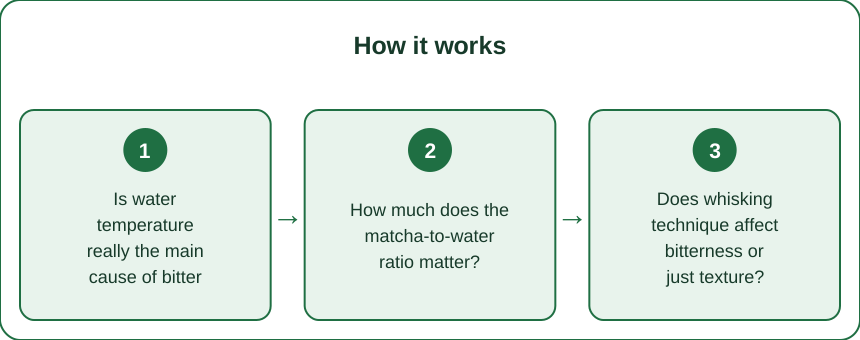
Is water temperature really the main cause of bitter matcha?
Yes, and it’s the single biggest factor. Water hotter than about 175°F (80°C) extracts excessive catechins and tannins from matcha, which are the compounds responsible for harsh bitterness. Traditional preparation uses water well below boiling — around 160-175°F — specifically to avoid over-extracting these bitter compounds while still dissolving the fine powder properly.
How much does the matcha-to-water ratio matter?
Considerably. Too much powder for the amount of water concentrates bitterness even at correct temperature. A standard usucha (thin tea) ratio is roughly 1-2 grams of matcha to 2-3 ounces of water — using significantly more powder than this, a common mistake when eyeballing rather than measuring, pushes the flavor toward harsh regardless of water temperature.
Does whisking technique affect bitterness or just texture?
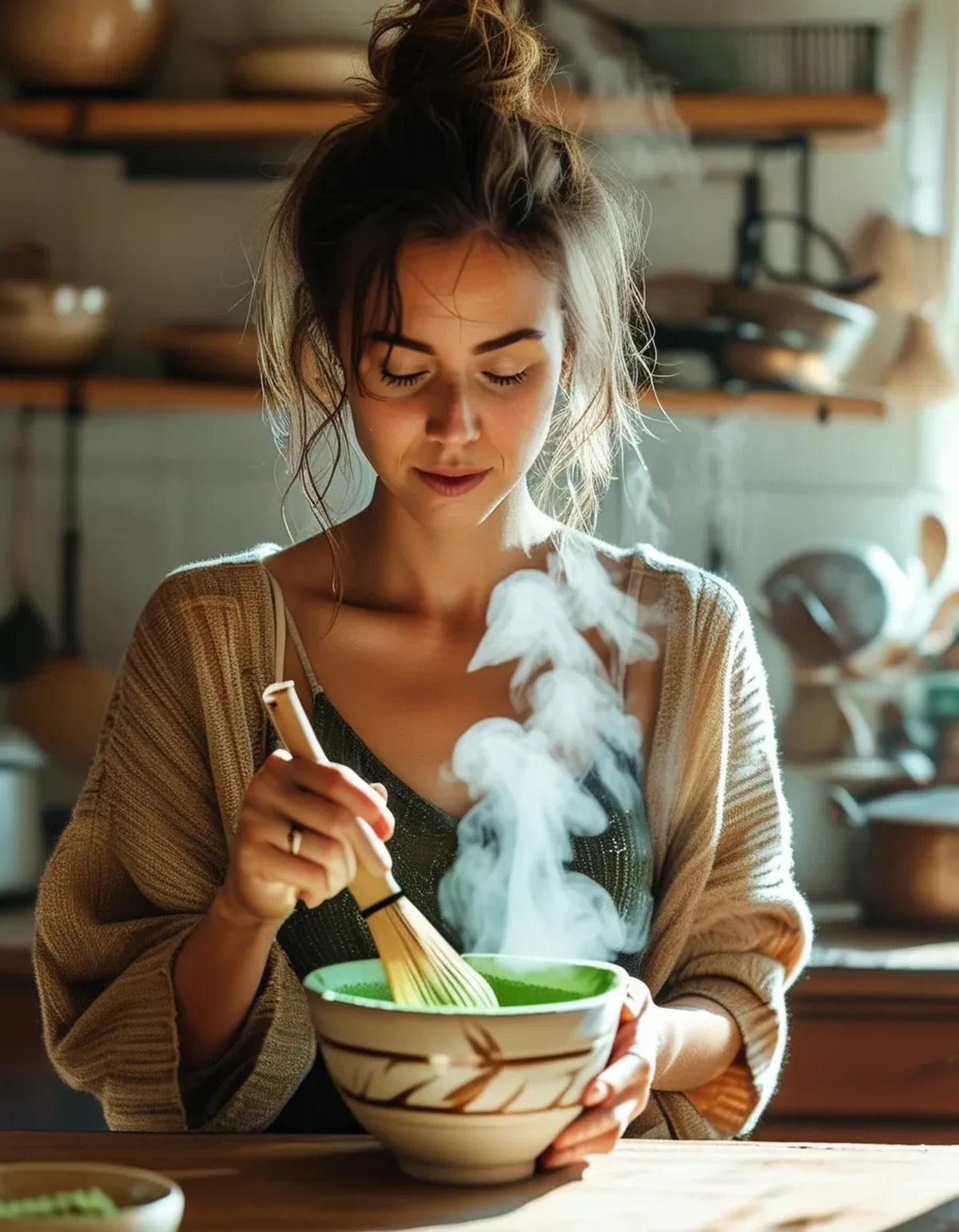
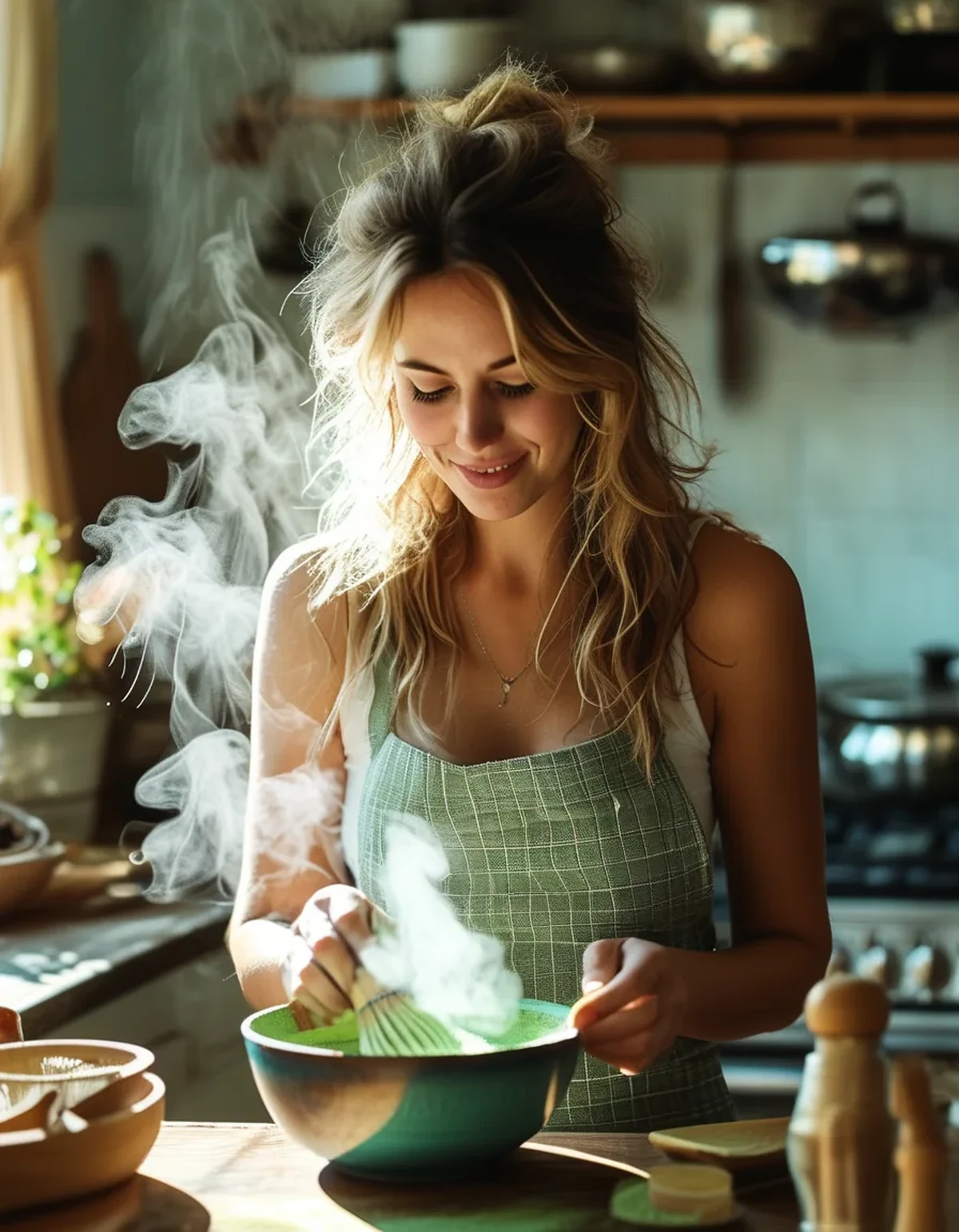
Mostly texture, but indirectly related. Under-whisked matcha leaves clumps that release concentrated bitter flavor in pockets as you drink, rather than distributing flavor evenly. A proper zigzag whisking motion (not circular stirring) for about 15-20 seconds creates the fine foam that both improves texture and evens out flavor distribution.
How to Tell If Matcha Is Actually Fresh
Color and smell are the two most reliable at-home checks. Fresh, quality matcha is a vibrant, almost fluorescent green — a dull, brownish-green tint often indicates oxidation from age or poor storage. Smell should be grassy and slightly sweet; a musty or flat smell suggests the matcha has degraded, which can also contribute to a duller, sometimes more bitter flavor profile than fresh matcha would produce.
Ceremonial vs Culinary Matcha: Does Grade Affect Bitterness?
Yes, meaningfully. Ceremonial-grade matcha is made from younger, shade-grown leaves and is generally smoother and naturally less bitter, designed to be drunk plain. Culinary-grade matcha is more robust and slightly more bitter by design, intended to hold its flavor against milk, sugar, or baking — using culinary-grade matcha for a plain bowl of tea, expecting ceremonial-grade smoothness, is a common source of disappointment unrelated to preparation technique.
FAQ: Matcha Bitterness, Answered
Does sifting matcha powder before whisking reduce bitterness?
Sifting mainly removes clumps for smoother texture; it doesn’t change the chemical bitterness, but smoother texture can make bitterness less noticeable.
Can adding milk fix overly bitter matcha?
It masks bitterness somewhat by adding fat and sweetness, but it’s treating a symptom — fixing water temperature and ratio addresses the actual cause.
Does matcha get more bitter the longer it sits after being whisked?
Somewhat — matcha is best consumed shortly after whisking, as the powder can settle and flavor can shift slightly the longer it sits.
TL;DR:
- Water over 175°F is the most common cause of bitter matcha
- Too much powder for the water amount concentrates bitterness
- Proper zigzag whisking improves texture and evens out flavor
- Ceremonial grade is naturally smoother; culinary grade is meant to be more robust and slightly bitter
Fix the water temperature first — it solves the majority of bitter-matcha complaints on its own.
Keep Reading
This article is for general informational purposes only and is not medical advice. Always consult a qualified health professional for guidance specific to you.