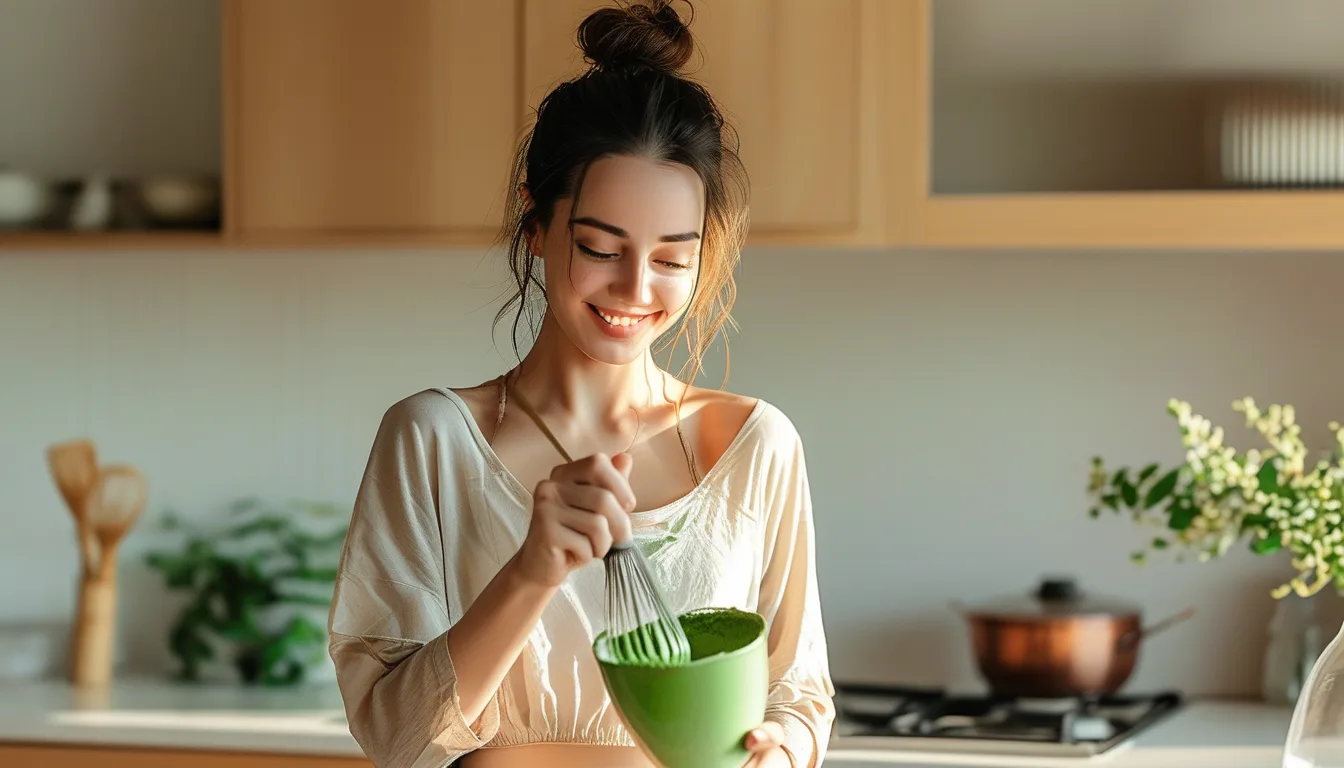
Why Your Matcha Tastes Bitter Even With Good Powder
Quick Answer: Water that is too hot, over-whisking, and using too much powder relative to water are the most common causes of bitter matcha, even with genuinely high-quality ceremonial-grade powder. Using water around 175°F and matching ratio to the powder’s instructions usually fixes it.
A bitter cup of matcha does not necessarily mean the powder is low quality — preparation is often the actual culprit.

Does water temperature really make that much difference?
Yes — water above roughly 175-180°F extracts excessive catechins and tannins from the matcha, producing a notably more bitter, astringent flavor than the same powder prepared with slightly cooler water.
Can whisking technique itself cause bitterness?
Aggressive over-whisking can create excessive foam and heat friction that affects flavor extraction, while the traditional quick W-motion whisk for about 15-20 seconds produces a smoother, less bitter result.
Does using too much powder relative to water matter?
Yes — using more powder than a recipe calls for relative to water concentration directly increases bitterness intensity, so following a specific ratio, typically around 1-2 grams of matcha to 2-3 ounces of water, matters more than people expect.

Does powder quality still play any role at all?
Lower-grade culinary matcha is generally more bitter by nature due to how and when the tea leaves were harvested and processed, so quality does set a baseline, but preparation mistakes can make even ceremonial-grade matcha taste worse than a well-prepared culinary-grade cup.
What Nobody Tells You About Matcha Bitterness
Some bitterness is a natural, expected part of matcha’s flavor profile, and the goal of good preparation is balancing that natural bitterness with a smooth, slightly sweet umami undertone, not eliminating bitterness entirely.
FAQ: Matcha Bitterness Questions, Answered
Does adding milk or sweetener fix bitterness or just mask it?
Milk and sweetener do mask rather than fix underlying preparation issues, though they are a completely reasonable choice for personal taste preference regardless.
How long can prepared matcha sit before it gets more bitter?
Matcha left sitting for more than 15-20 minutes can develop increased bitterness as it continues to oxidize slightly, so drinking it relatively fresh helps.
Does the type of whisk actually matter?
A traditional bamboo chasen whisk creates a finer foam than a standard kitchen whisk, which can affect both texture and how bitterness is perceived on the palate.
TL;DR:
- Water above 175-180°F is the most common cause of bitter matcha
- Using too much powder relative to water concentration increases bitterness directly
- Traditional whisking technique produces a smoother result than aggressive over-whisking
- Some natural bitterness is expected and part of a balanced matcha flavor profile
Bitter matcha is usually a fixable preparation issue, not necessarily a sign the powder itself is low quality.
Keep Reading
This article is for general informational purposes only and is not medical advice. Always consult a qualified health professional for guidance specific to you.