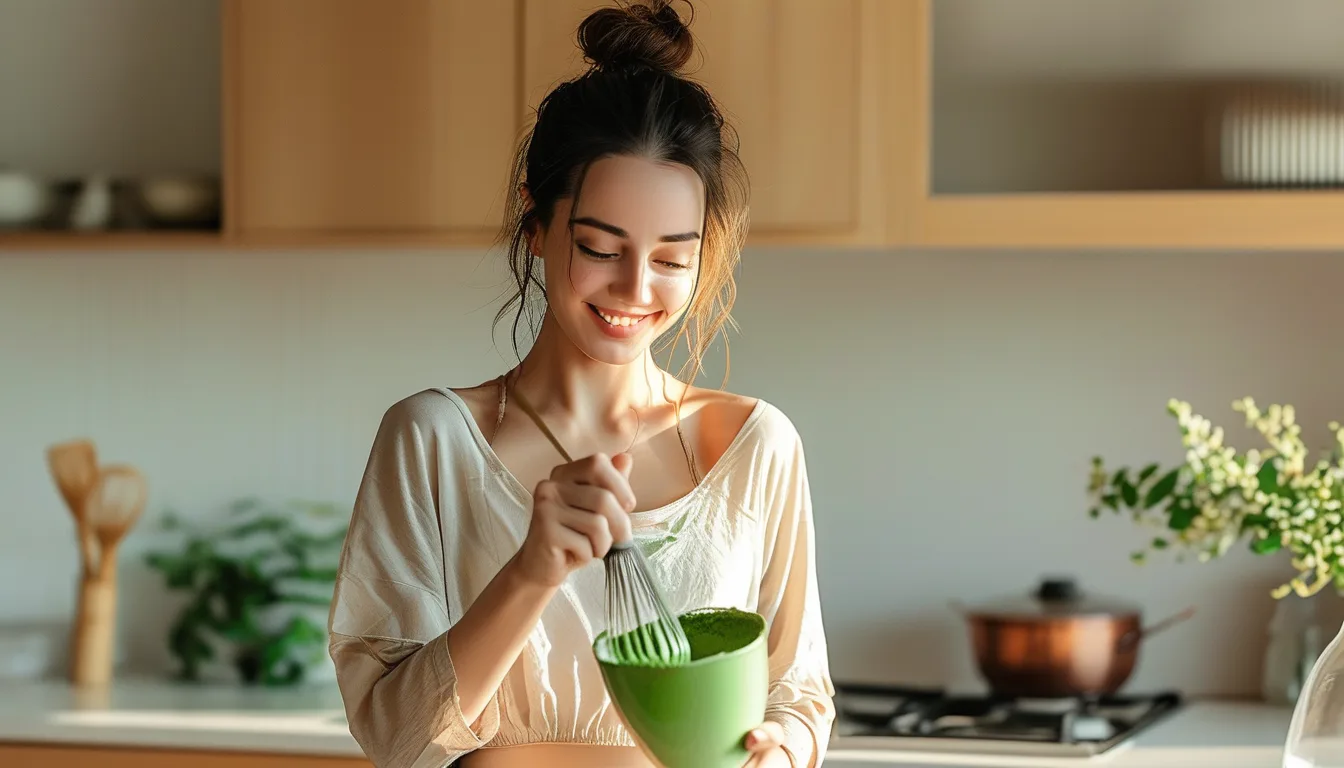
Why Your Matcha Tastes Bitter (Hint: It's Probably Not the Brand)
Quick Answer: Bitter matcha is most often caused by water that’s too hot — matcha’s amino acids (which produce sweetness and umami) and catechins (which produce bitterness) release at different temperatures, and water above about 175°F pulls out disproportionately more bitterness before you even consider brand quality.
You switched to a more expensive ceremonial-grade matcha hoping it would taste less bitter, and it still came out harsh. Before blaming the tin, check the kettle — this is the mistake almost everyone makes first.

Why does water temperature affect matcha bitterness so much?
Matcha’s flavor compounds extract at different rates depending on heat. L-theanine and other amino acids, responsible for matcha’s natural sweetness and umami, release readily even at moderate temperatures. Catechins, which taste bitter, extract much more aggressively as water gets hotter — so water near boiling pulls a disproportionate amount of bitterness relative to the sweetness, throwing off the whole balance.
What’s the actual right temperature?
160-175°F (70-80°C) — noticeably below boiling. If you don’t have a thermometer, letting boiled water sit for 2-3 minutes before pouring it over matcha typically gets it into this range. Water straight off a rolling boil is close to 212°F, which is well into over-extraction territory for matcha specifically.
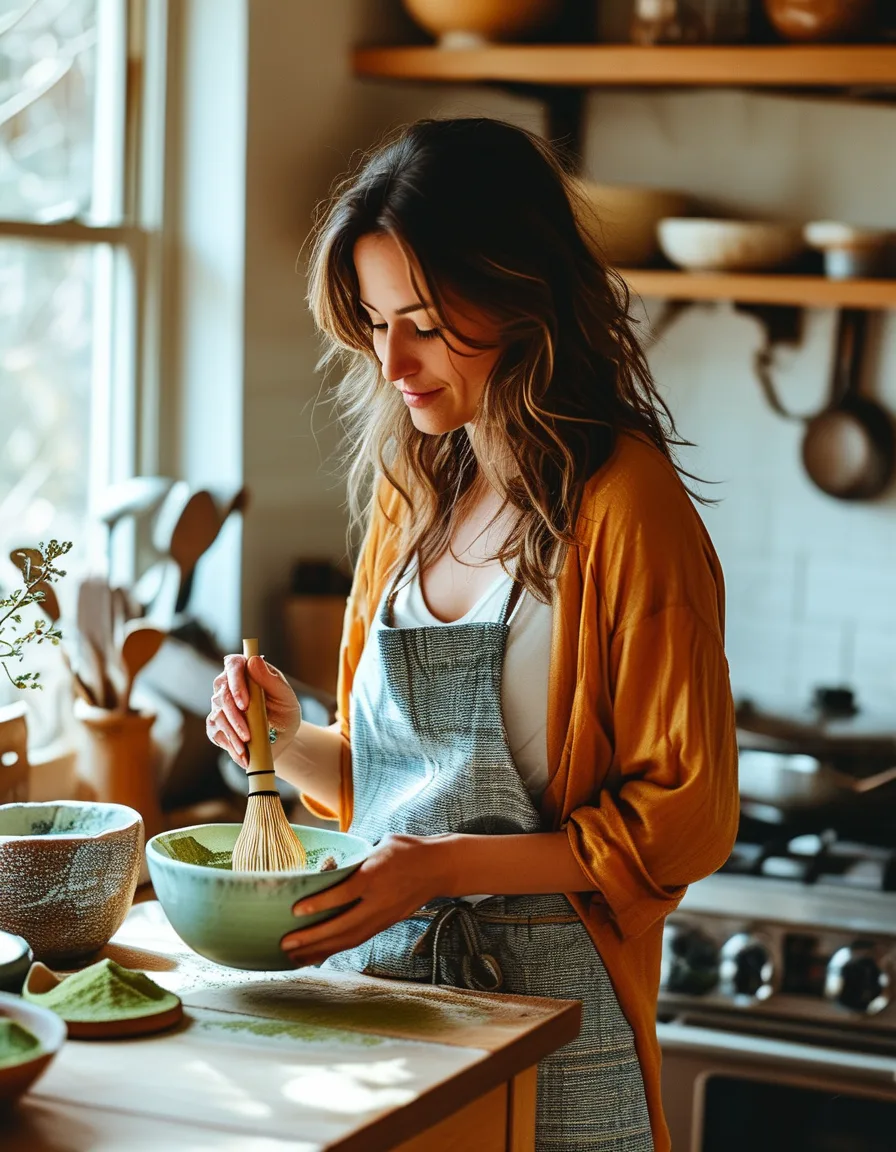
5 Mistakes People Make When Preparing Matcha
1. Using boiling water straight from the kettle — the single biggest cause of bitterness. 2. Not sifting the powder — clumps whisk unevenly and taste harsher in concentrated pockets. 3. Whisking in a circular motion instead of a zigzag (W-shape) — proper whisking technique creates the characteristic foam and evens out flavor distribution. 4. Judging quality grade by color alone — vivid green helps but isn’t the full picture; taste and smoothness matter as much. 5. Storing matcha at room temperature long-term — it oxidizes and turns bitter and dull faster than people expect; refrigeration extends freshness noticeably.
Does the grade of matcha actually matter for bitterness?
Yes, but less than temperature does. Ceremonial-grade matcha (from younger, shade-grown leaves) naturally has more amino acids relative to catechins, giving it a smoother, less bitter baseline than culinary-grade matcha. But even ceremonial-grade matcha will taste bitter if prepared with water that’s too hot — grade sets the ceiling, temperature determines whether you actually reach it.
FAQ: Matcha Bitterness Questions, Answered
Does adding milk fix bitter matcha?
It masks bitterness rather than fixing the underlying cause, though it does work as a practical workaround for lattes specifically.
Why does café matcha sometimes taste smoother than homemade?
Cafés often use tempered water and pre-measured ratios consistently, which most home preparation skips — it’s usually a technique gap, not a secret ingredient.
Can over-whisking make matcha bitter?
Not directly, but over-whisking can incorporate excess air and change texture; temperature remains the dominant bitterness factor.
TL;DR:
- Water above 175°F extracts disproportionate bitterness from matcha’s catechins
- Let boiled water cool 2-3 minutes before pouring, or aim for 160-175°F directly
- Sift the powder and whisk in a zigzag motion for smoother flavor and texture
- Higher grade matcha helps but doesn’t override bad water temperature
Before you buy a pricier tin, check your kettle temperature first — it’s usually the actual fix.
Keep Reading
This article is for general informational purposes only and is not medical advice. Always consult a qualified health professional for guidance specific to you.