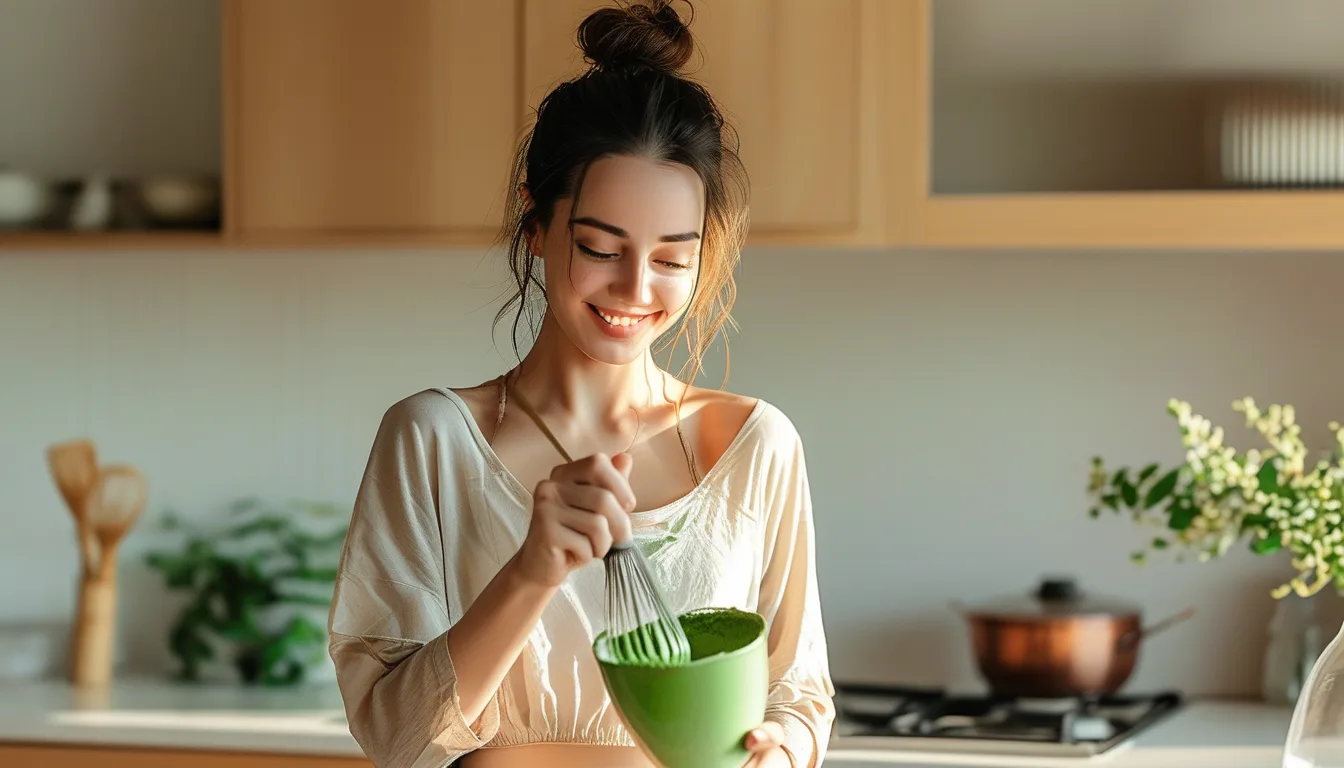
Why the Exact Same Matcha Tastes Completely Different Depending on Water Temperature
Quick Answer: Matcha’s bitter compounds (catechins) extract much more readily in hot water above roughly 175°F/80°C, while its naturally sweet and umami-rich amino acids extract well even at cooler temperatures — using water that’s too hot is one of the single most common reasons matcha tastes unexpectedly bitter, even with the same quality powder and technique that worked fine the day before.
Same tin of matcha, same whisk, same ratio, and somehow one bowl tastes smooth while another tastes sharp and bitter. Before blaming the powder, check the one variable that changes fastest without anyone noticing: how hot the water actually was.

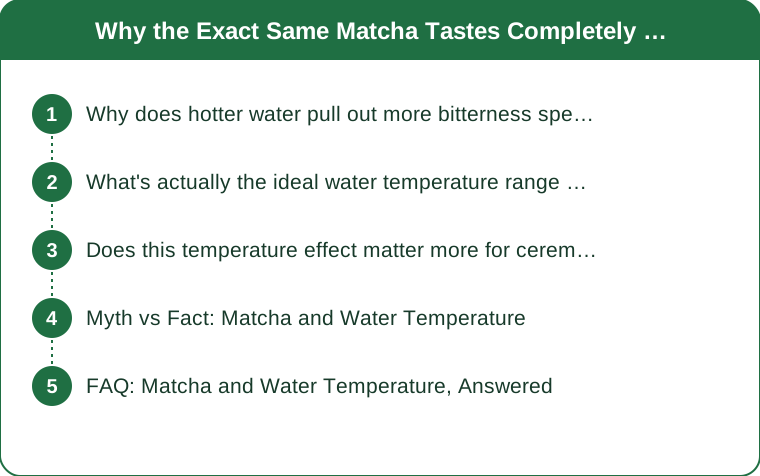
Why does hotter water pull out more bitterness specifically?
Catechins, the bitter-tasting antioxidant compounds in matcha, become significantly more soluble as water temperature rises, meaning boiling or near-boiling water extracts noticeably more of them than water in the 160-175°F range does. This is the same reason green tea in general is traditionally recommended to be brewed cooler than black tea — the bitterness-extraction curve isn’t linear, it accelerates as temperature climbs.
This is a chemistry difference, not a quality difference between good and bad matcha — even excellent ceremonial-grade matcha will taste harsher if prepared with water that’s too hot.
What’s actually the ideal water temperature range for whisking matcha?
Most matcha specialists recommend roughly 160-175°F (70-80°C), which is notably cooler than a typical freshly boiled kettle at 212°F. Since most people don’t have a precision kettle, a practical trick is boiling water and then letting it rest for about 2-3 minutes before pouring, which brings it down close to this ideal range without needing a thermometer.
Going too cool has a downside too — water that’s too cold doesn’t dissolve the powder well and can leave a clumpy, gritty texture, so the goal is the specific warm-but-not-scalding range, not simply ‘as cool as possible.‘
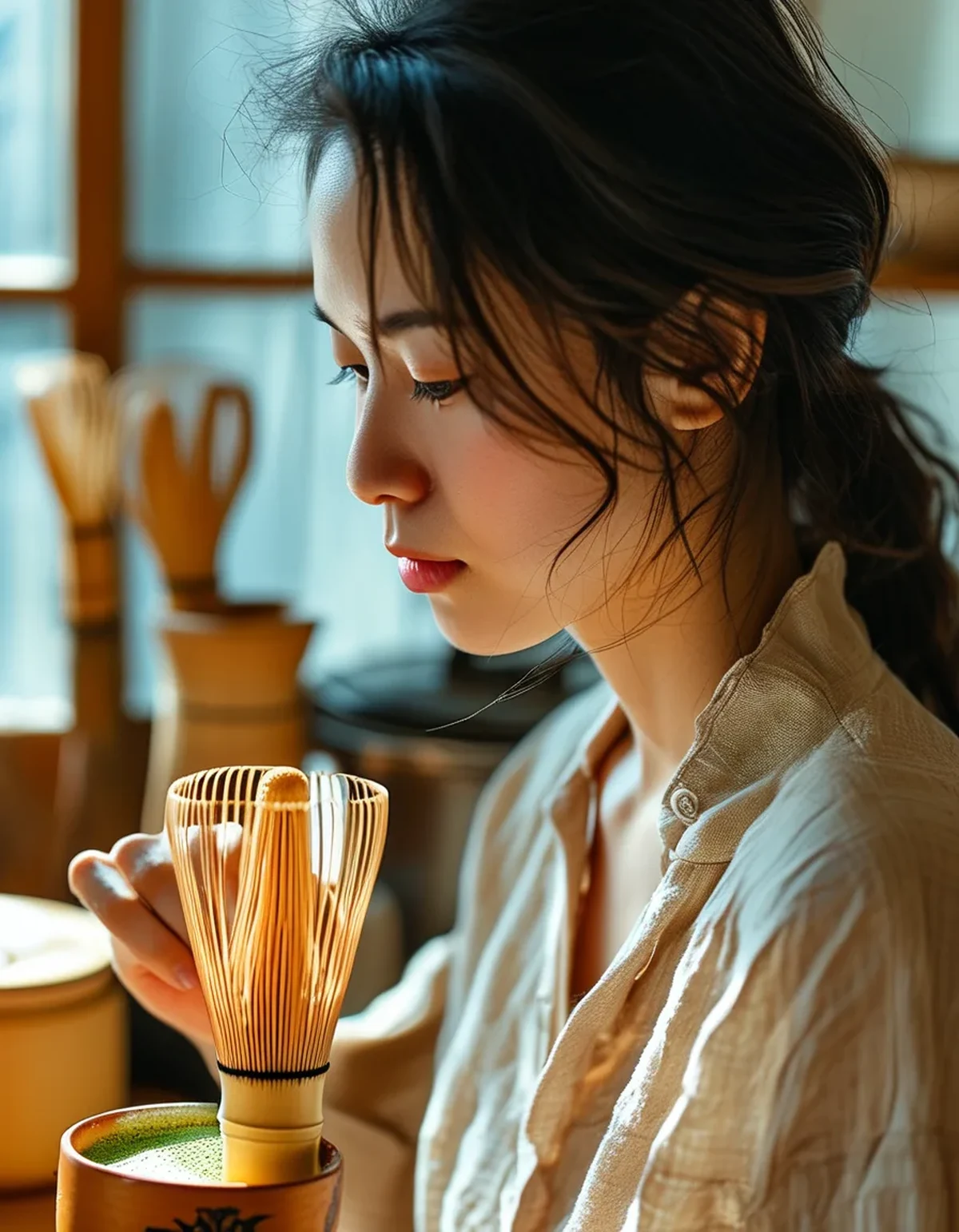
Does this temperature effect matter more for ceremonial-grade or culinary-grade matcha?
It matters for both, but the effect is more noticeable on ceremonial-grade matcha, since that grade is specifically valued for its smoother, naturally sweeter flavor profile that hot water can mask or override. Culinary-grade matcha, often used in lattes or baking where other ingredients balance flavor anyway, is somewhat more forgiving of temperature mistakes since it’s designed to be blended with other flavors.
This is part of why a straight-whisked ceremonial bowl is the most sensitive way to actually taste a temperature mistake — a latte with milk and sweetener will mask a lot of the same bitterness.
Myth vs Fact: Matcha and Water Temperature
Myth: Water temperature only matters for the ceremonial preparation, not everyday matcha drinks. Fact: The bitterness-extraction chemistry is the same regardless of how the matcha is ultimately served — it’s just more noticeable in a plain bowl than a sweetened latte.
Myth: If matcha tastes bitter, the powder must be low quality or stale. Fact: Water temperature is one of the most common causes of unexpected bitterness, and checking temperature first is worth doing before assuming the powder itself is the problem.
FAQ: Matcha and Water Temperature, Answered
How can I check water temperature without buying a thermometer?
Letting freshly boiled water sit uncovered for about 2-3 minutes typically brings it into the ideal range for most kettle sizes and room temperatures.
Does the temperature rule change if I’m making an iced matcha?
For iced matcha, whisking with the same warm (not boiling) water first, then pouring over ice, still produces a smoother result than trying to whisk directly with cold water.
Will using slightly too-hot water ruin an expensive tin of ceremonial matcha permanently?
No — it only affects that single preparation; the rest of the tin is unaffected, so it’s simply worth adjusting temperature on the next bowl.
TL;DR:
- Bitter catechins extract much more readily above roughly 175°F, while sweet, umami notes extract fine cooler
- The ideal whisking range is about 160-175°F — letting boiled water rest 2-3 minutes gets close without a thermometer
- Ceremonial-grade matcha shows temperature mistakes more clearly than culinary-grade matcha used in lattes
- Unexpected bitterness is worth checking against water temperature before assuming the powder itself is the issue
The same tin of matcha really can taste like two different products depending on nothing more than how long the kettle sat before pouring — which makes this one of the easiest matcha problems to actually fix.
Keep Reading
This article is for general informational purposes only and is not medical advice. Always consult a qualified health professional for guidance specific to you.