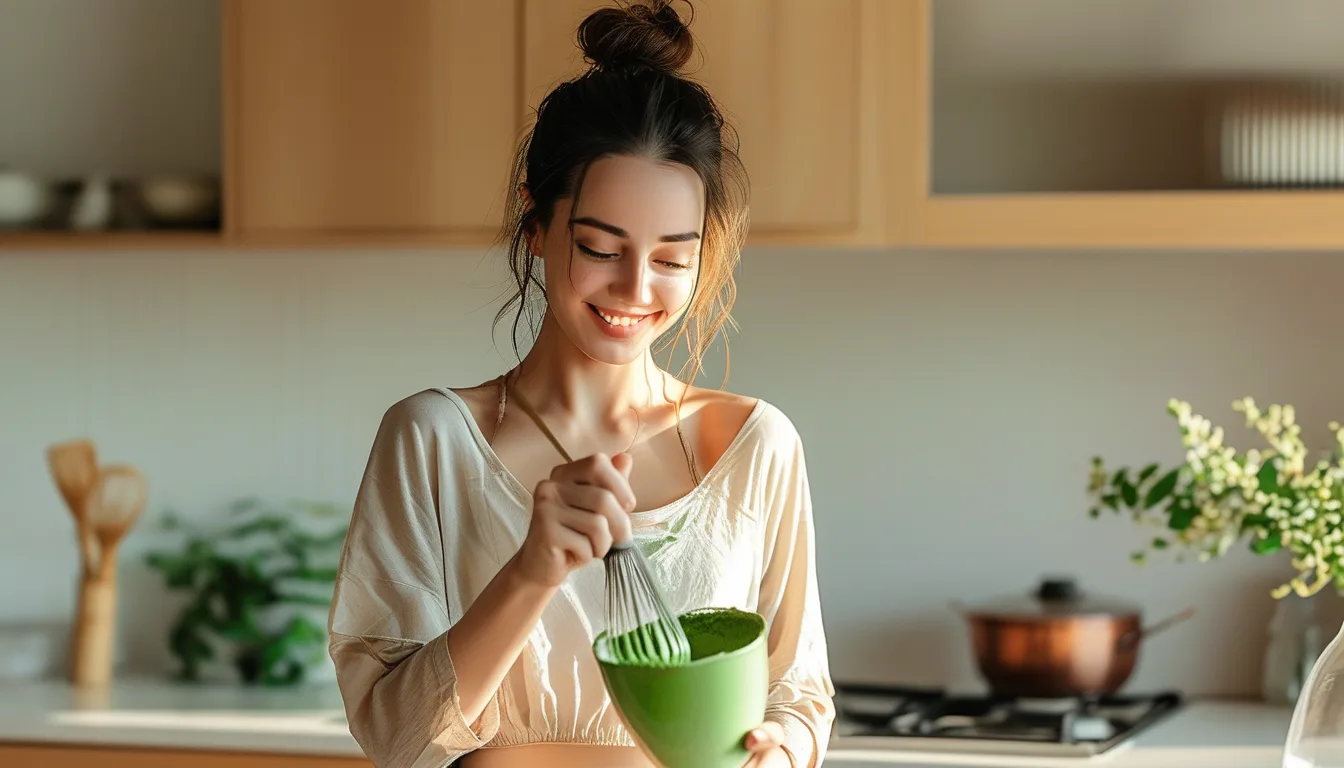
Why Your Matcha Tastes Bitter (It's Not the Matcha's Fault)
Quick Answer: Bitter matcha is most often caused by water that’s too hot (above roughly 175°F) or too much powder relative to water, not low-quality matcha itself — dropping your water temperature and adjusting your ratio usually fixes it even with the same tin you already own.
Before blaming your matcha’s quality, check two variables that cause most bitterness complaints and are both fully within your control.

Is water temperature really that significant a factor?
Yes, substantially — matcha’s catechins (naturally bitter, tannic compounds) extract much more aggressively above roughly 175-180°F. Water at or near boiling, a common mistake carried over from regular tea habits, pulls out considerably more bitterness than water in the correct, cooler range.
What’s the actual correct water temperature to use?
Generally around 160-175°F, noticeably cooler than boiling. If you don’t have a temperature-controlled kettle, letting boiled water sit for roughly 3-5 minutes before use typically brings it into this range.

Does the powder-to-water ratio matter as much as temperature?
Yes — using too much matcha powder relative to water concentrates the bitter compounds regardless of correct temperature. Starting with a smaller amount (roughly half a teaspoon) and adjusting to taste, rather than eyeballing a heaping scoop, avoids this second common cause.
Does the grade of matcha actually change bitterness too?
To some degree — culinary-grade matcha is generally more bitter by nature than ceremonial-grade, since it’s intended for use in recipes with other ingredients (milk, sweeteners) that balance it. Drinking culinary-grade matcha straight, the way you would ceremonial-grade, will taste more bitter regardless of technique.
FAQ: Matcha Bitterness, Answered
Does whisking technique affect bitterness?
Not directly for bitterness itself, though proper whisking creates a smoother texture that can make bitterness less pronounced perceptually.
Will adding milk or a sweetener fix bitter matcha, or just mask it?
It masks rather than fixes the underlying cause, though it’s a reasonable practical solution if you’re using culinary-grade matcha specifically.
How long can I store matcha before it becomes more bitter?
Oxidized, older matcha powder can develop a duller, sometimes more bitter or stale taste — storing it airtight and refrigerated meaningfully slows this.
TL;DR:
- Water above roughly 175-180°F is the most common cause of bitter matcha
- Using too much powder relative to water is the second major factor
- Cooling boiled water for a few minutes before use gets it into the right range
- Culinary-grade matcha is naturally more bitter than ceremonial-grade when drunk straight
Keep Reading
This article is for general informational purposes only and is not medical advice. Always consult a qualified health professional for guidance specific to you.